Sustainability & Environment
Sustainability & Environment
Our Sustainable Vision
Our Sustainable Vision
Innovation and Responsibility for a Greener Future
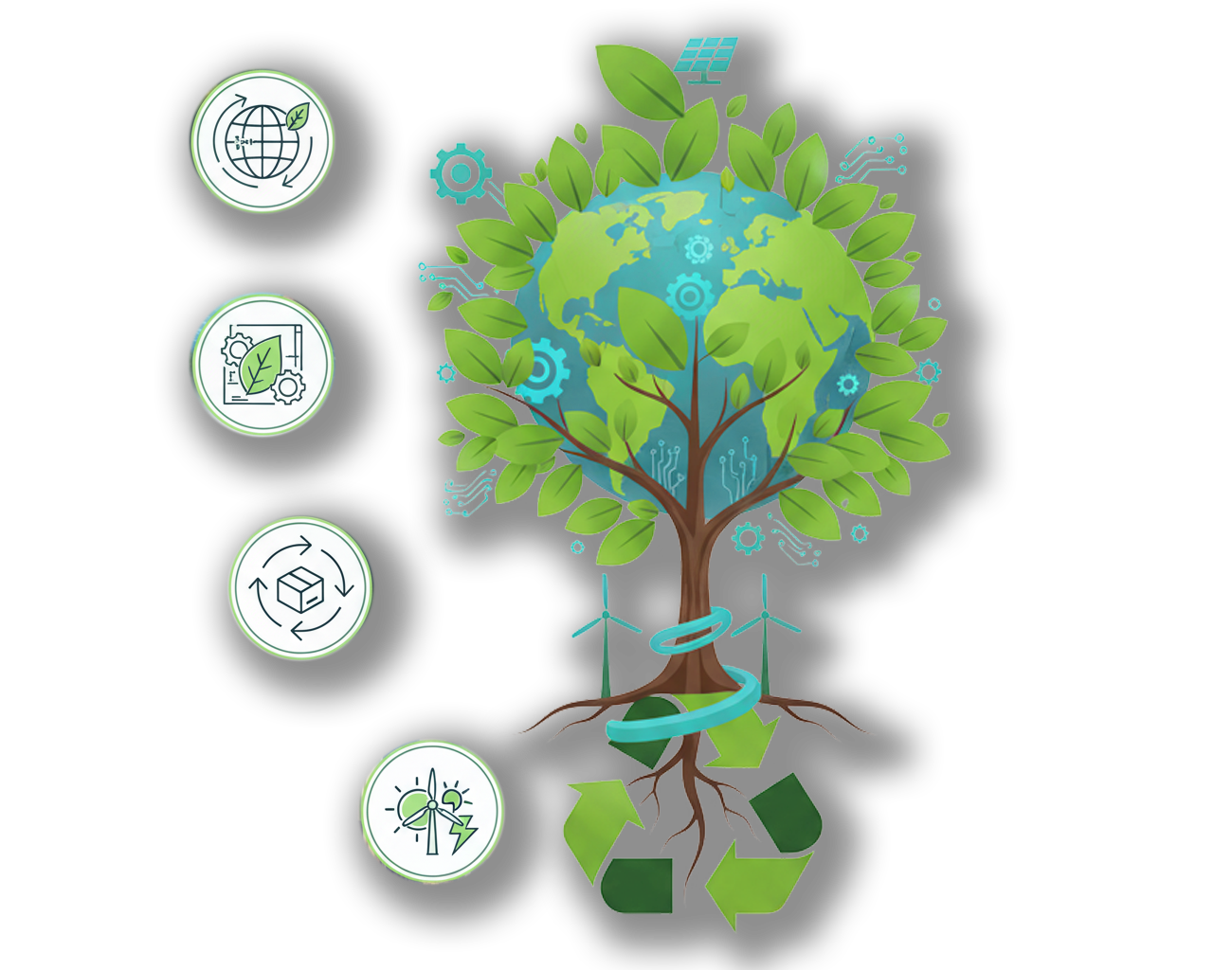
More Than a Trend
At Alvapack, sustainability is far more than a marketing trend — it is the foundation of our corporate strategy and a tangible expression of our responsibility towards the planet.
Sustainability by Design
Every decision we make, from product design to production management, aims to minimize environmental impact and preserve natural resources.

Innovation in Action
We believe that innovation and sustainability can — and must — evolve hand in hand together to create a truly circular and responsible production model.

Our Commitment to the Environment
Building a Greener Future Together
Environmental Policy
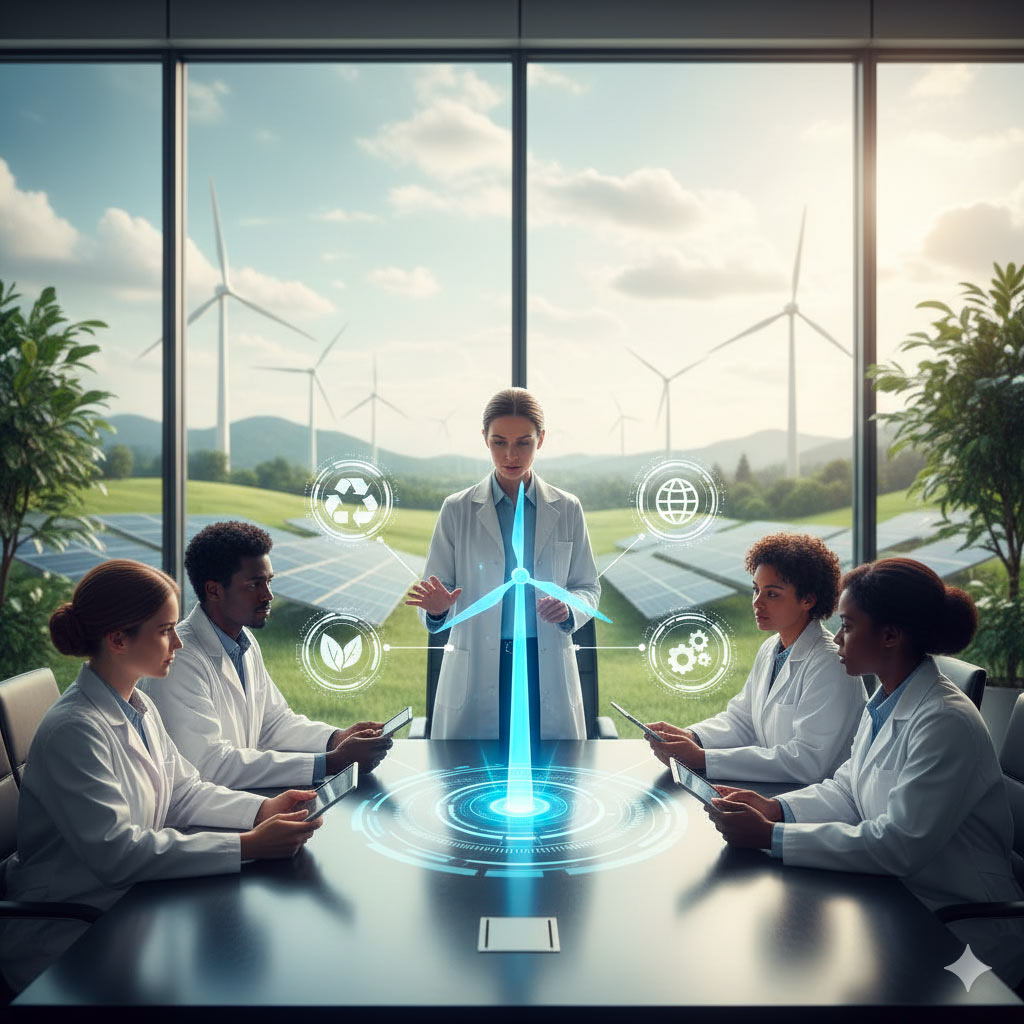
Our environmental policy is based on clear principles and measurable goals, ensuring that sustainability becomes a daily practice across all operations.
Compliance with environmental laws is considered a starting point, not a final target. We continuously improve our performance through the responsible use of energy, water, and raw materials.
We involve our employees, suppliers, and customers in our environmental journey, promoting awareness and shared responsibility across the entire value chain.
Our long-term goals reflect our ambition:
By 2030, we aim to reduce our overall environmental impact by 30% and lower energy consumption per production unit by 25%.
By 2027, all our production sites will use 100% renewable energy, and by 2035, our entire portfolio will consist of sustainable products.
Finally, we are working toward a Zero Waste to Landfill target by 2028, ensuring that every material is reused, recycled, or recovered.
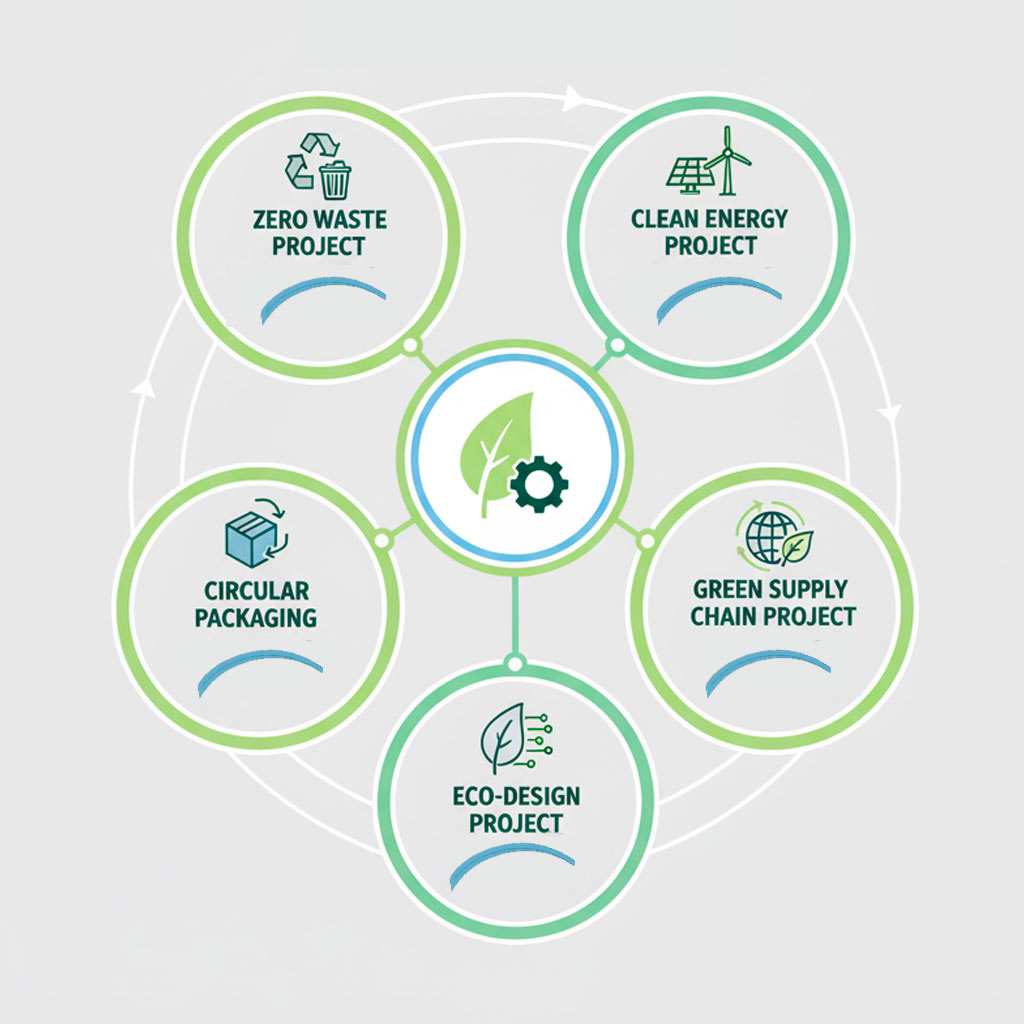
Green Projects
To translate our environmental mission into measurable achievements, we have launched a series of green initiatives:
- Zero Waste Project: aims to completely eliminate waste sent to landfill through reduction, reuse, and recycling.
- Clean Energy Project: involves installing solar panels on our facilities to self-generate renewable power.
- Circular Packaging Project: develops fully recyclable packaging solutions in partnership with customers and suppliers.
- Green Supply Chain Project: engages our suppliers in improving environmental performance throughout the supply chain.
- Eco-Design Project: integrates sustainability principles into the design of new films, considering every stage of the product life cycle.
Each initiative contributes to building a smarter, cleaner, and more circular industrial ecosystem.
Circular, conscious, and customizable packaging design
Sustainable Solutions and Innovative Materials
At the heart of our innovation strategy lies the development of eco-friendly packaging films that deliver the same technical performance as conventional materials — but with a far lower environmental impact.
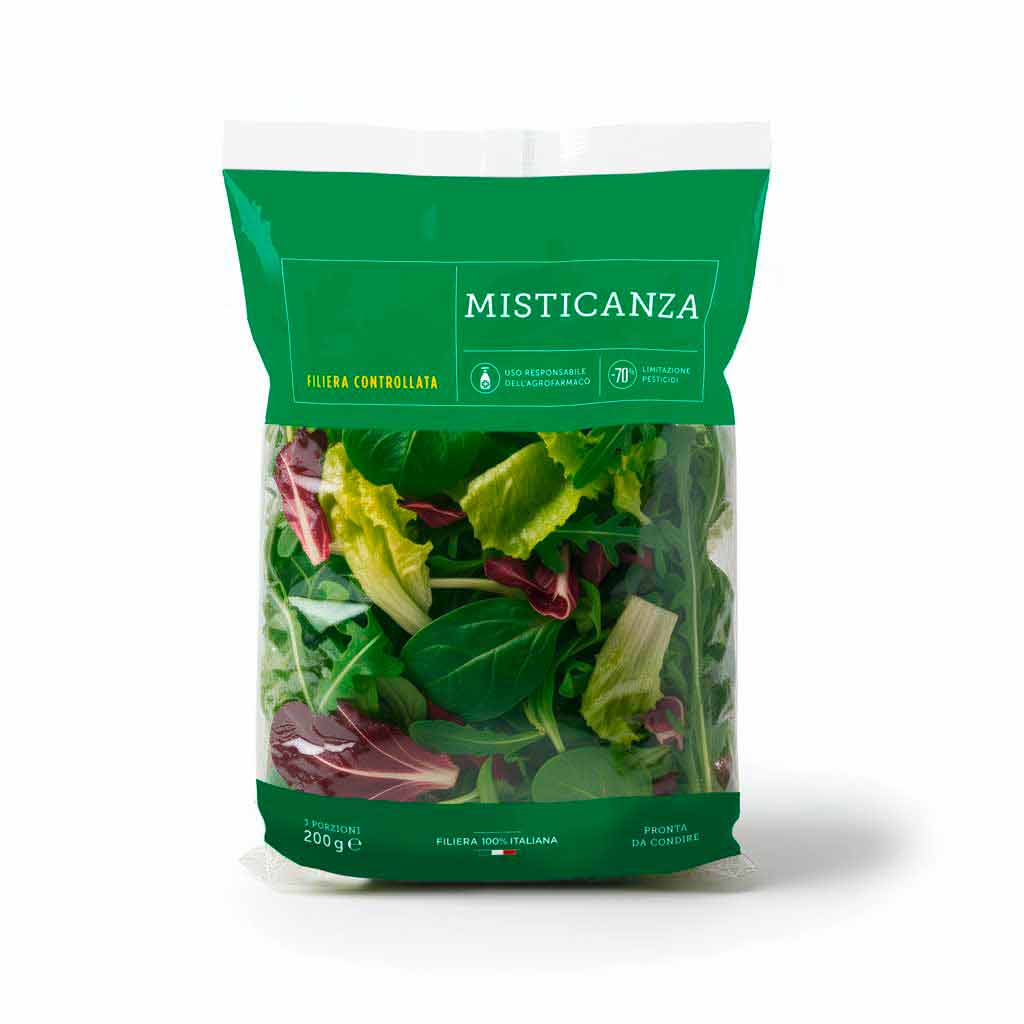
ALVABIOCIRCULAR FILM
ALVABIOCIRCULAR FILM offers all the advantages of traditional polypropylene film — superior anti-fog performance to preserve freshness and shelf life, excellent sealability, high transparency and gloss, and perfect printability for premium packaging presentation.
What makes it unique is its origin: this film is produced from second-generation renewable raw materials, derived from non-fossil sources such as waste and residues from the refining of non-industrial vegetable oils and used cooking oil (UCO) collected from food industries and restaurants.
ALVABIOCIRCULAR FILM is a tangible example of circular economy in action — combining technical excellence, environmental responsibility, and certified sustainability.
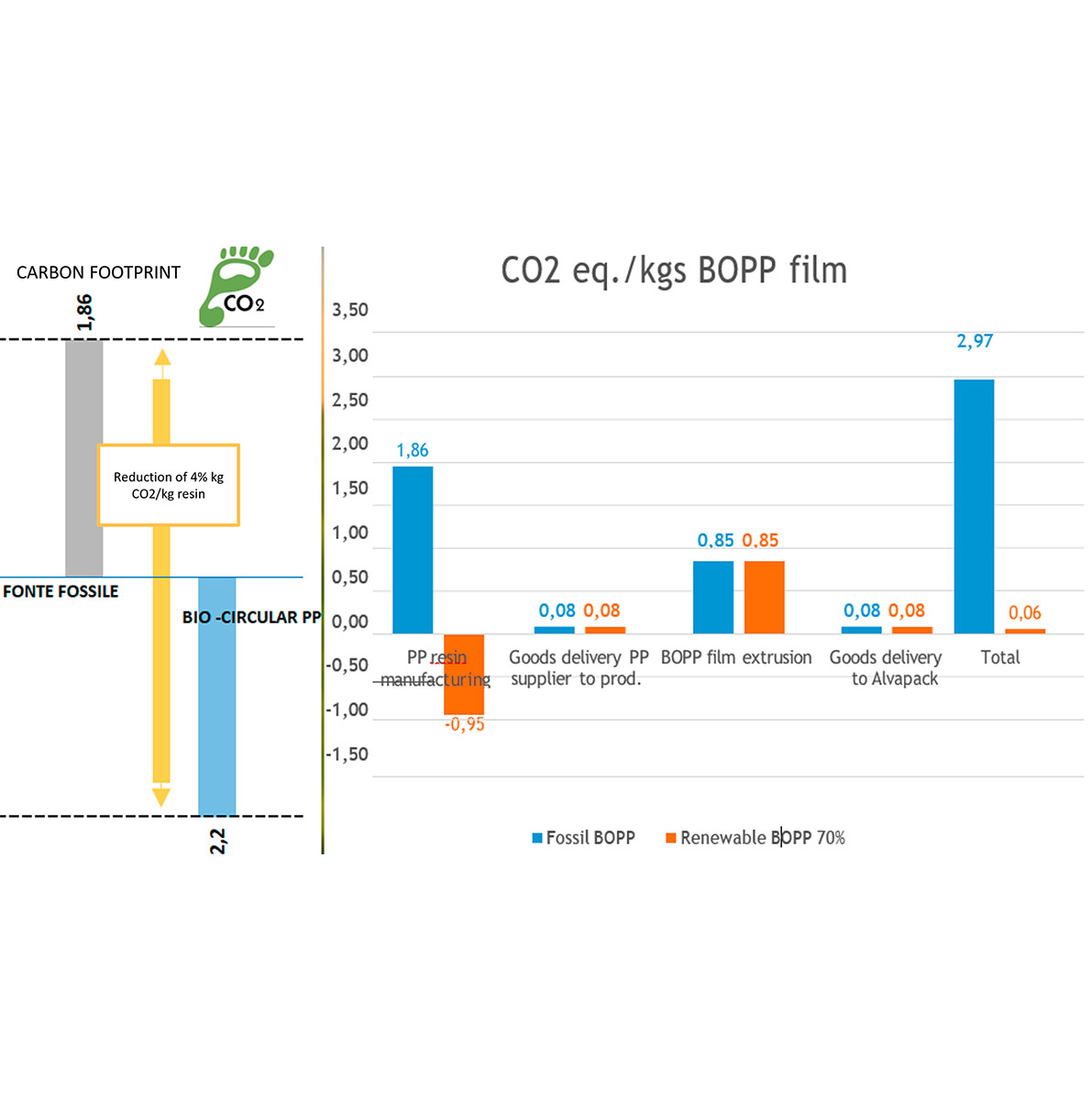
Environmental Benefits
Environmental Benefits
Replacement of fossil-based raw materials
Use of second-generation renewable feedstocks that do not compete with the food chain
Lower carbon footprint compared to fossil alternatives
ISCC PLUS certified bio-circular chain of custody
Technical & Marketing Highlights
Technical & Marketing Highlights
100% transparent film
Identical performance to traditional polypropylene films
100% recyclable
Significant CO₂ emission reduction
Certified sustainable production under ISCC PLUS
Sustainability Impact (UCO Source Certified by ISCC)
Sustainability Impact (UCO Source Certified by ISCC)
Up to –4 kg CO₂ saved per kg of resin used (data provided by the manufacturer)
Supports the bio-economy
Reduces fossil fuel dependence
Ensures food contact compliance
Promotes sustainable waste management
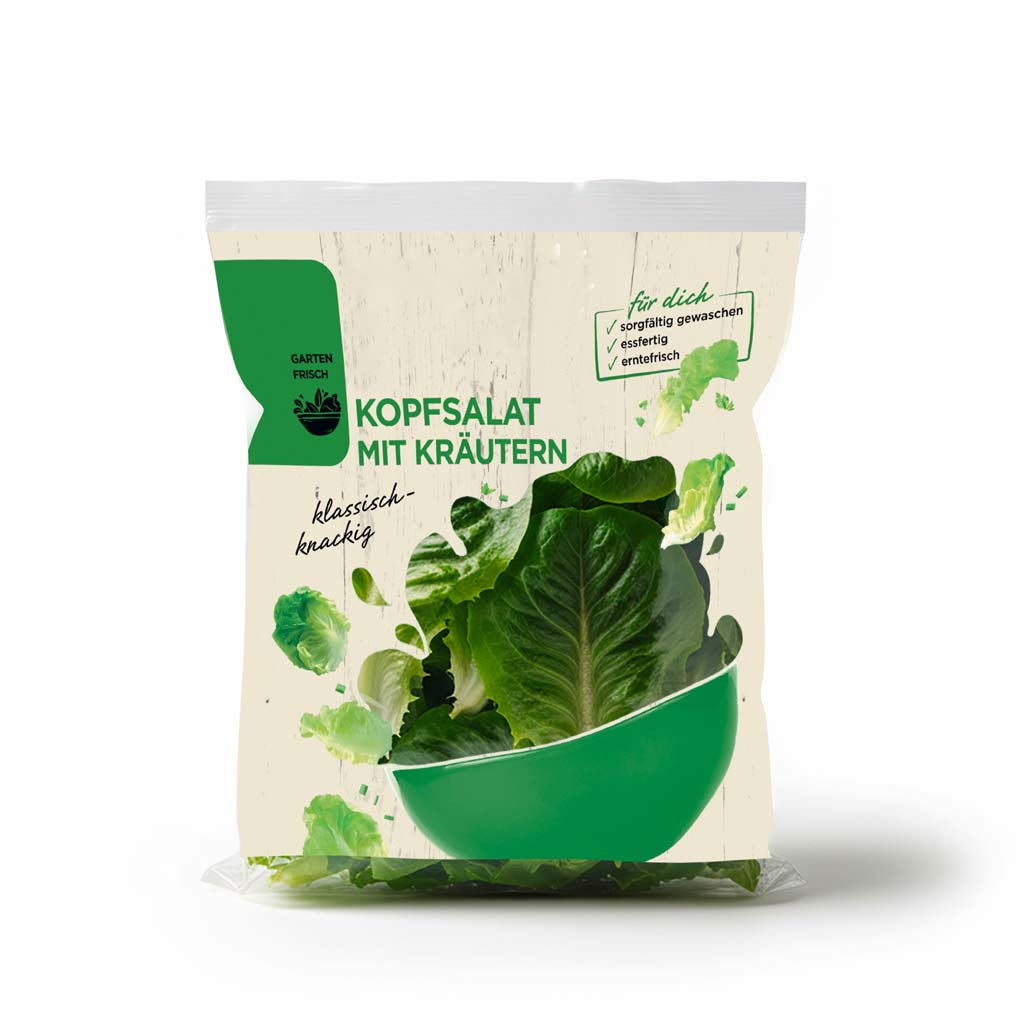
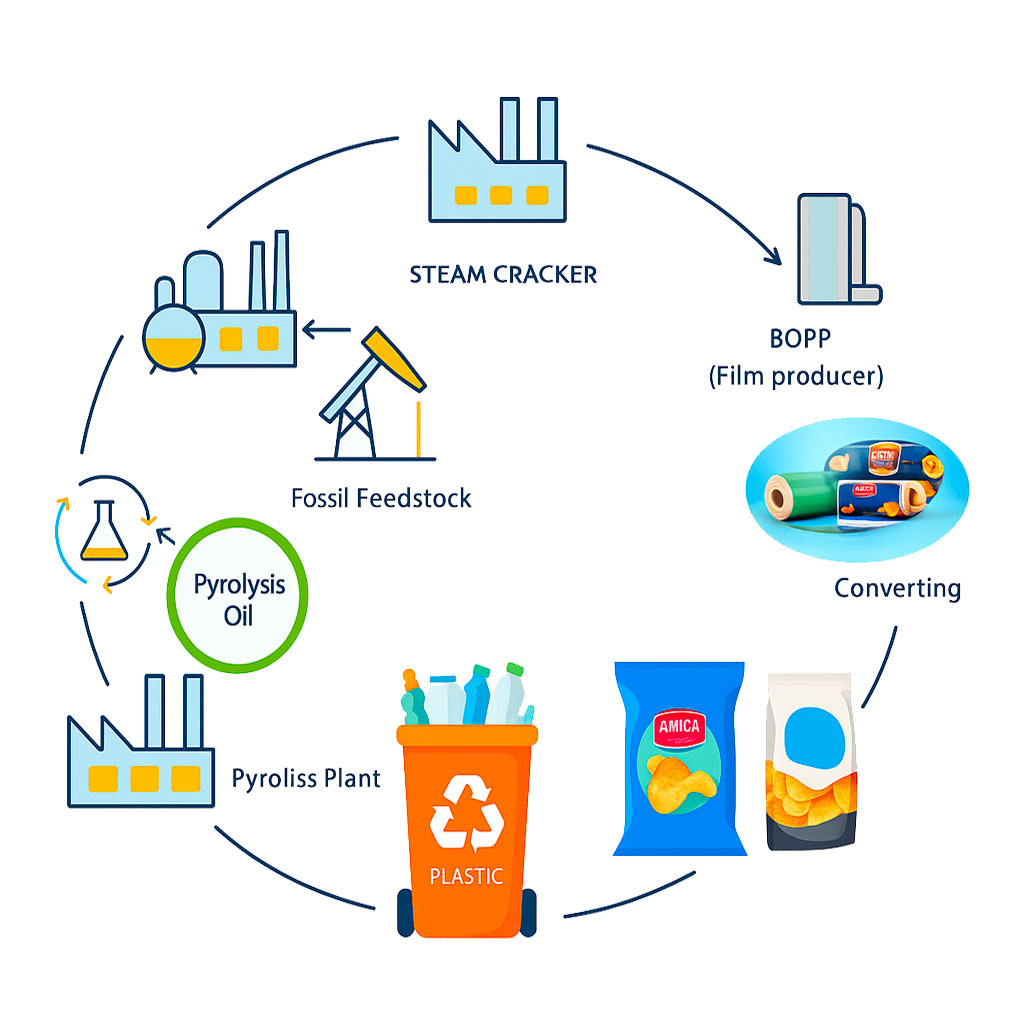
ALVA RPP PYROLYSIS: The Future of Chemical Recycling
ALVA RPP PYROLYSIS is the outcome of our advanced research in chemical recycling technologies.
Through the pyrolysis process, post-consumer plastic waste is thermally decomposed in the absence of oxygen and converted into valuable hydrocarbons.
These are then purified and transformed into high-quality polymers suitable for new film production.
The resulting film contains up to 30% of raw material derived from recycled plastic and delivers identical performance to virgin polypropylene in terms of clarity, sealability, and durability.
This solution helps close the plastic loop, reduces landfill and incineration waste, and lowers CO₂ emissions by up to 50% compared to traditional processes — all while maintaining uncompromised quality.
Certified ISCC PLUS, it represents a concrete step towards a truly circular plastic economy.
The science behind chemical recycling
Pyrolysis (also known as pyrocracking) is a thermochemical decomposition process carried out by applying heat in the complete absence of oxygen.
When a material is heated in the presence of oxygen, it undergoes combustion, producing heat and oxidized gases.
In contrast, under oxygen-free (anoxic) conditions, the same heating process breaks down the original chemical bonds, forming simpler molecules.
The heat supplied in pyrolysis is used to split molecular chains, in a reaction known as thermally induced homolysis.
On an industrial scale, pyrolysis is applied in processes such as cracking and waste thermal treatment.
Operating at temperatures between 400 and 800 °C, the process converts solid materials into liquid (pyrolysis oil or tar) and/or gaseous products (syngas), which can be used as fuels or chemical feedstocks for further transformation.
A solid carbonaceous residue is also produced, which can be refined into materials such as activated carbon.
The proportions of gaseous, liquid, and solid outputs depend on the type of pyrolysis (fast, slow, or conventional) and on the reaction parameters.
Unlike a gasifier, which operates with limited oxygen and partially oxidizes the material, a pyrolyzer functions in a fully anoxic environment—often using an inert hot gas flow such as nitrogen—to achieve true pyrolysis.
Eco-smart, circular, and adaptable packaging solutions
Design for Recycling and Resource Optimization
Every Alvapack product is conceived with recyclability in mind.Design for Recycling and Resource Optimization
We design mono-material films to simplify recycling, avoiding multi-layer structures that complicate separation.
We also optimize film thickness to reduce material consumption while maintaining the same technical properties — ensuring resource efficiency without compromise.
Ahead of 2026 European Regulations
Guiding You Through Legal Change with Expertise and StrategyAhead of 2026 European Regulations
The upcoming European packaging regulations (2026) will impose strict requirements on recycled content, recyclability, and environmental performance. Alvapack is already ahead of this transition, offering a portfolio that fully meets and even exceeds these standards.
Our solutions also mitigate the impact of the Plastic Tax, balancing sustainability goals with cost efficiency.
All our products are backed by internationally recognized environmental certifications, ensuring reliability and traceability.
Additional information
REGULATION (EU) 2025/40
EU Regulation on Packaging and Packaging Waste (PPWR)
EUROPEAN COMMISSION GUIDELINES
Addressing the Complexities of the New EU Packaging Regulation with Clarity and Simplicity
SUMMARY OF THE EUROPEAN COMMISSION GUIDELINES
February 2026
–
In Short (Q&A)
Sustainability & Innovation at Alvapack: Key Facts at a Glance
Q: What is Alvapack’s approach to sustainability?
A: Sustainability is at the core of our strategy, guiding every decision to reduce environmental impact and promote a circular production model.
Q: How does Alvapack reduce its carbon footprint?
A: We cut emissions through energy efficiency, renewable energy, optimized logistics, and low-carbon film design, while offsetting residual emissions with certified ISCC protocol.
Q: What are Alvapack’s main green initiatives?
A: Key projects include Zero Waste, Clean Energy, Circular Packaging, Green Supply Chain, and Eco-Design.
Q: What sustainable materials does Alvapack offer?
A: ALVABIOCIRCULAR FILM is 100% recyclable and realized with UCO (used cooked oil), while ALVA RPP PYROLYSIS uses recycled plastics with an importat lower c02 emission.
Q: How are Alvapack products recyclable?
A: We use mono-material films, optimize thickness, and recycle production scraps, ensuring maximum material recovery.
Q: How does Alvapack support clients with regulations?
A: We help clients meet EU 2026 packaging rules, offering technical and strategic guidance to ensure compliance and efficiency.
Do you want to make your packaging more sustainable?
Discover our green solutions.